The Phoenix Suns' lone 2026 draft pick, forward Koa Peat, carries significant expectations into his rookie NBA season. The team, which finished its previous campaign with a 122-131 loss to the Oklahoma City Thunder on April 28, 2026, and dropped its final five games, needs young talent to step up. Peat, a six-foot-eight prospect from Arizona, is a polarizing figure due to his clear strengths and obvious weaknesses. His development will be a major storyline for Phoenix this year.
What are the main expectations for Koa Peat?
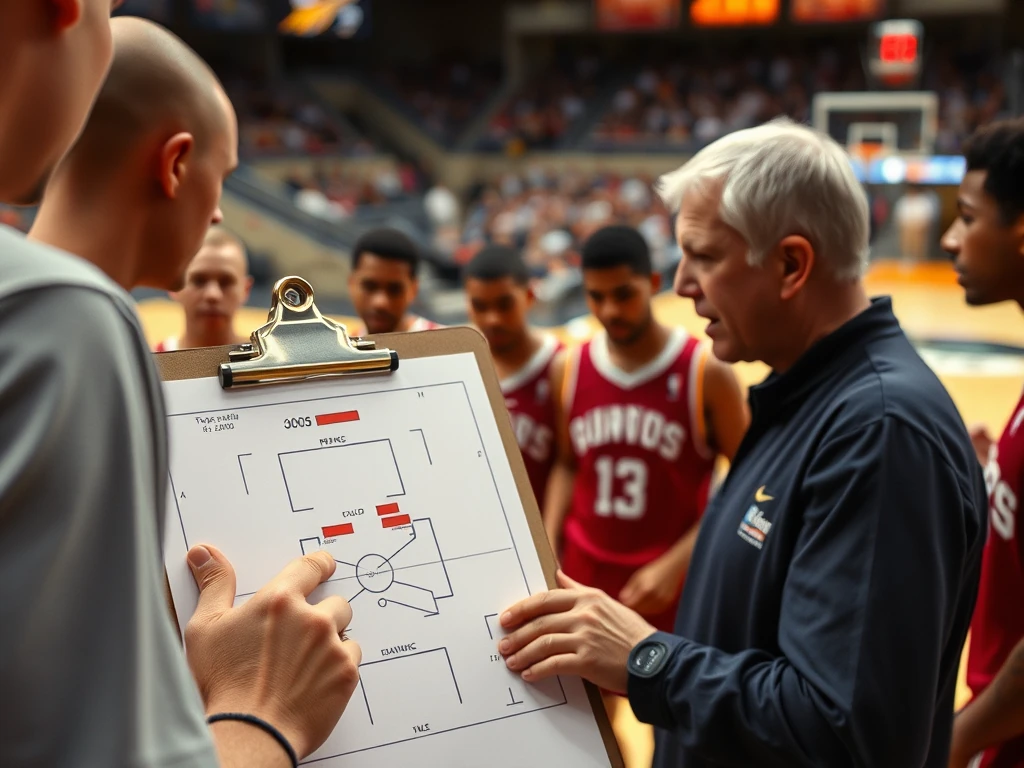
Peat's primary focus must be on defensive improvement. His strong, sturdy frame gives him the physical tools to guard multiple positions. He needs to work on his footwork and defensive awareness to become a reliable option on that end of the floor. For a Suns team that struggled defensively during its recent 0-5 skid, any internal growth is welcome. Coach Frank Vogel will likely demand immediate effort from the rookie on defense.
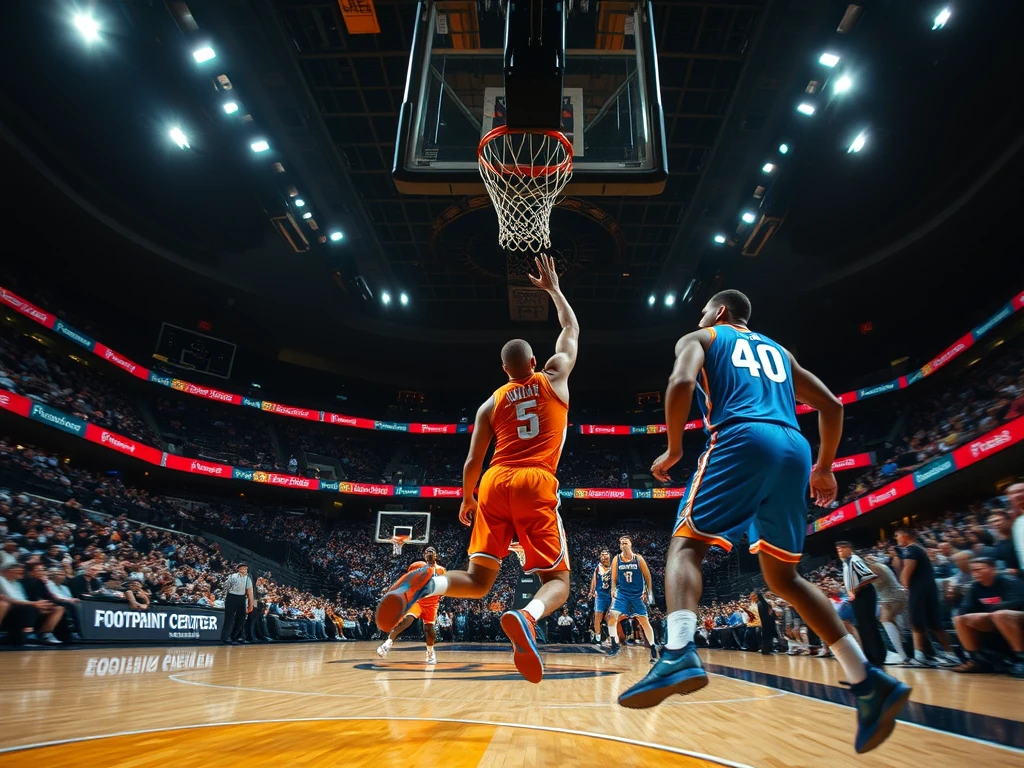
Another key area is expanding his offensive game beyond the paint. While effective near the basket, Peat must develop a consistent perimeter shot to keep defenses honest. Improving his three-point percentage and mid-range efficiency will be vital for his playing time. The Suns' offense, which managed 122 points in its last outing, needs spacing. Peat creating that space would be a huge boost. You can track his progress and other team stats on our [stats](/stats) page throughout the season.
Finally, Peat needs to prove he can handle the physical and mental grind of an NBA schedule. Transitioning from college basketball to the professional level is a massive jump. His conditioning and ability to stay focused through a long season will be tested. The Suns' recent form shows they can't afford passengers. Peat must show he's ready to contribute night in and night out.
Why does Peat's development matter for the Suns?
The Suns selected only one player in the 2026 draft, putting all their rookie development eggs in the Koa Peat basket. His success or failure directly impacts the team's depth and future flexibility. With an expensive veteran core, finding production on a rookie-scale contract is essential for roster building. Peat becoming a rotation player would be a major win for the front office.
His skill set as a versatile forward fits a modern NBA need. If he can defend multiple spots and hit open shots, he becomes a valuable piece alongside stars like Devin Booker and Kevin Durant. The team's last result, a nine-point loss to Oklahoma City, highlighted areas where a player like Peat could help. His potential to fill gaps is clear.
For a franchise looking to bounce back from a disappointing end to the 2025-26 season, injecting young energy is important. Peat represents a new chapter. His work ethic and progress will be closely monitored by fans and management alike. The upcoming schedule, which you can view on our [fixtures](/fixtures) page, will provide his first real tests.
What is the outlook for Peat's rookie year?
Realistically, Peat will have ups and downs. Most rookies do. The expectation isn't for him to be an All-Star immediately. It's for him to show tangible growth in the three key areas: defense, shooting, and professional readiness. If he can earn consistent minutes by the season's midpoint, that would be a successful start.
His role will likely be defined by matchups and practice performance. Coach Vogel is known for demanding defensive accountability, so that's Peat's ticket to the court. Offensively, he should focus on cutting, rebounding, and taking open shots when they come. Trying to do too much too soon could hurt his confidence.
The Suns' overall performance will also influence his opportunities. If the team is fighting for playoff position, Vogel may lean on veterans. If the season takes a different turn, Peat could see more developmental minutes. Regardless, his first year is about laying a foundation. How he responds to coaching and learns from mistakes will determine his long-term fit in Phoenix.